Available courses

New Venture Creation programme containing unit-standard-based learning content, practice activities, formative assessments and summative assessments. Each unit standard is structured separately in the LMIS to support learner progression, assessment completion and facilitator/assessor review.

Accreditation Status: Active

Business Administration Services Level 3 learning programme covering the prescribed unit standards, learner guides, knowledge assessments, workplace assignments and supporting assessment activities. The course is structured by unit standard to support learner access, assessment completion, evidence submission and facilitator/assessor review within the LMIS.

The purpose of this qualification is to prepare a learner to operate as a Design Thinking Innovation Lead.

A Design Thinking Innovation Lead coaches teams to apply design thinking approach and methodologies to understand and address complex challenges to create innovative solutions for problem solving and addressing needs. They immerse themselves in the environment and context of the problem or need and approach it from multiple perspectives and collaboratively apply analysis and synthesis of data from multiple sources in a coherent way and in a manner that is relevant to solution.

The main focus of the learning in this knowledge module is to build an understanding of the holistic (cognitive-language, emotional, physical and social) development and strong foundations for personal happiness, social, academic, and economic success and life-long learning.

The main focus of the learning in this knowledge module is to build an understanding of the key concepts and principles that underpin human development. Learners will be expected to relate these generic principles to the child and youth care context and to explain them through practical examples and life experiences.

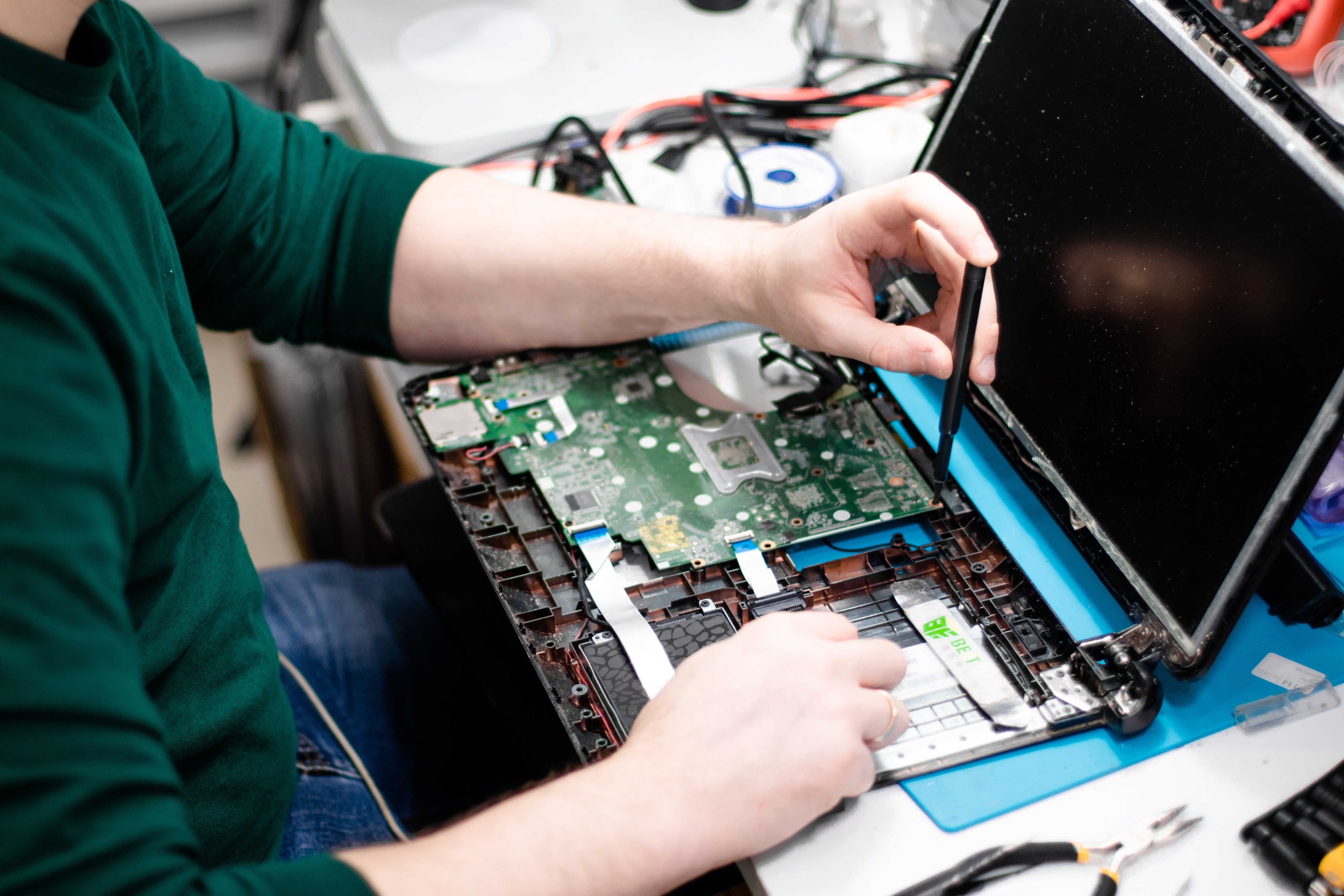
Provides a recognized foundational standard for computer hardware assembly, troubleshooting, network administration, and infrastructure services.

Empowers learners to diagnose system failures, configure enterprise operating systems, and maintain local area network (LAN) topologies.

Serves as a vital steppingstone toward internationally accredited certifications (CompTIA A+, Network+, Cisco CCNA, Microsoft Azure).

Fills critical skill shortages in IT support desk operations, field technician roles, and network administration support.

The main focus of the learning in this knowledge module is to build an understanding of what computers can do and the processes that make them function in terms of the four major parts: input, output, CPU (central processing unit) and memory. It gives an overview of networks and connectivity as well as security issues pertaining to IT ecosystems

PURPOSE OF THE QUALIFICATION 

Upon completion of the qualification students will be expected to provides technical assistance to users, including diagnosing and resolving issues and problems with software, hardware, computer peripheral equipment, networks, databases, systems and the internet.   

The qualification outcomes cover types of software, hardware, components, upgrading and troubleshooting a computer, formatting and partitioning hard drives, and network topologies. Green technology, maintaining records of daily problems and remedial actions, and prepare evaluations for systems performance.